Source Commercial Hot Water Foam Cannon for Firefighting, Industrial, Vehicle Cleaning
Compare 30 commercial hot water foam cannon options from verified Chinese manufacturers. Buyers can evaluate models with varying flow rates, nozzle types, and certifications like CE and RoHS for firefighting, industrial, and vehicle cleaning applications.
Key considerations
Products List


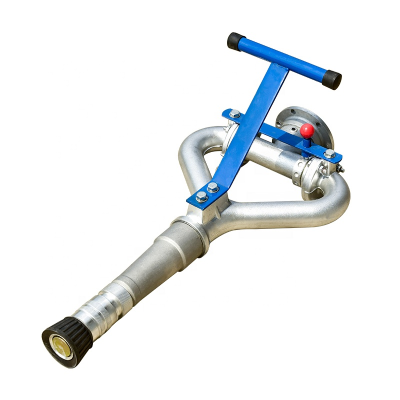
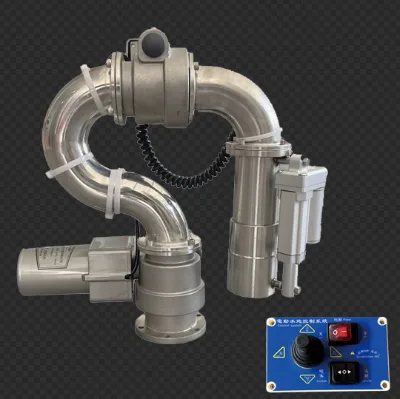


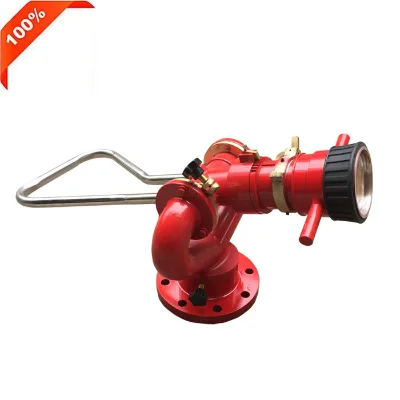


Comprehensive Sourcing Guide
Commercial Hot Water Foam Cannon Sourcing Guide
Sourcing industrial-grade foam cannons for commercial applications requires a disciplined approach to technical verification and supplier qualification. The market offers a diverse array of equipment, ranging from high-pressure cold water cleaners to specialized firefighting monitors, each with distinct operational parameters. Buyers must carefully distinguish between general-purpose cleaning tools and dedicated fire protection or industrial cleaning systems to ensure the selected unit meets specific operational demands. This guide provides a structured framework for evaluating these products based on observed market data, technical specifications, and compliance requirements.
The procurement process involves navigating a wide spectrum of product models, certifications, and material compositions. Observed listings indicate a significant variation in origin, with products sourced from regions such as Henan and Quanzhou in China, reflecting the global manufacturing landscape for this equipment. Understanding the nuances of nozzle types, pressure ratings, and power supply options is critical for aligning product capabilities with the intended commercial use case, whether it involves vehicle cleaning, industrial facility maintenance, or fire safety infrastructure.
Product Scope and Observed Listing Signals
The commercial market for foam cannons and related high-pressure equipment encompasses a broad range of product types, including cold water high-pressure cleaners and specialized firefighting monitors. Listings frequently highlight features such as fan-shaped nozzles and movable operation types, which are essential for versatile application in commercial settings. The observed product models, such as the PSKD8 series and various PQ models, suggest a segmentation based on flow rates and pressure capabilities, allowing buyers to select equipment tailored to specific throughput requirements.
Commercial applications for these devices span from vehicle cleaning to industrial facility maintenance and fire protection. The presence of products with dual power supply options, including 12V/24V DC and 100-230V AC, indicates adaptability for different operational environments, from mobile units to fixed installations. Buyers should note that while some products are explicitly labeled for firefighting, others are designed for general commercial cleaning, necessitating a clear definition of the primary use case to avoid mismatched specifications.
Technical Specifications to Verify
Technical verification begins with assessing the flow rate and pressure capabilities, which are critical for determining the efficiency of foam application and cleaning performance. Observed specifications indicate flow rates ranging from 20L/s to 80L/s, with working pressures typically between 0.8MPa and 1.2MPa for certain models. Buyers must verify that the selected unit’s flow rate aligns with the facility’s water supply capacity and that the pressure is sufficient to achieve the desired jetting range, which can extend up to 80 meters for high-performance units.
Nozzle design and material composition are equally important factors in ensuring durability and performance. The body material of these units is often constructed from ductile iron, aluminum alloy, or stainless steel, with specific models utilizing SS304 stainless steel for enhanced corrosion resistance. Nozzles may be made from hard anodized aluminum alloy, and the jetting pattern can vary from straight stream to fog, depending on the model. Buyers should confirm the flange connection diameter, which is commonly available in 3-inch (80mm) or 4-inch (100mm) sizes, to ensure compatibility with existing piping infrastructure.
Compliance and Safety Documentation
Compliance with international standards is a prerequisite for sourcing commercial equipment, particularly for applications involving high pressure or fire protection. Observed certifications include CE, CCCF, CNAS, ILAC-MRA, CB, ETL, RoHS, and UR, which indicate adherence to various safety and quality benchmarks. Buyers must verify that the specific model they intend to purchase holds the relevant certifications for their target market, as regulatory requirements can vary significantly between regions.
Safety documentation should also include detailed operational manuals and maintenance guidelines, especially for units with complex movement capabilities. Some models offer extensive articulation, with vertical turning angles of -70 to 70 degrees and horizontal turning angles of 0 to 360 degrees, which require precise control mechanisms. Buyers should ensure that the supplier provides comprehensive documentation on operating modes, whether manual or electric, and any optional power supply configurations to facilitate safe and efficient deployment.
Cost Drivers and Commercial Terms
The cost of commercial foam cannons is influenced by several factors, including material quality, certification status, and customization options. Products with stainless steel bodies and advanced nozzle materials typically command higher prices due to their durability and resistance to harsh environments. Additionally, the availability of customization services allows buyers to tailor specifications to their specific needs, which can impact the final unit cost. Buyers should request detailed quotations that break down these cost drivers to understand the value proposition of each option.
Commercial terms such as minimum order quantity (MOQ) and packaging standards also play a significant role in the procurement process. Observed MOQs range from 1 to 1000 units, offering flexibility for both small-scale and large-scale purchases. Packaging is typically standardized for export, with some units requiring wooden cases for protection during transit. Buyers should negotiate clear terms regarding shipping, insurance, and delivery lead times to mitigate logistical risks and ensure timely receipt of equipment.
Supplier Qualification and Quality Control
Supplier qualification is a critical step in ensuring the reliability and consistency of the sourced equipment. Buyers should prioritize suppliers who demonstrate a strong track record in manufacturing and exporting high-pressure cleaning and firefighting equipment. Verification of the supplier’s production capabilities, quality management systems, and after-sales support services is essential to minimize the risk of defects and operational disruptions.
Quality control measures should include rigorous testing of key performance indicators such as pressure tolerance, flow rate accuracy, and nozzle durability. Buyers should request test reports or certification documents that validate these performance metrics. Additionally, establishing clear communication channels with the supplier for technical support and troubleshooting is vital for maintaining equipment performance over its lifecycle. Regular audits or third-party inspections may be warranted for large-volume orders to ensure compliance with agreed-upon specifications.
Long-Term Procurement Checks
Long-term procurement success depends on the ability to maintain and upgrade equipment over time. Buyers should assess the availability of spare parts, such as nozzles and seals, to ensure minimal downtime during maintenance. The modular design of many units, with interchangeable components, can facilitate easier repairs and upgrades. Suppliers who offer comprehensive warranty programs and technical training can significantly enhance the total cost of ownership by reducing operational risks.
Furthermore, buyers should monitor market trends and technological advancements in foam cannon design to stay competitive. The evolution of materials and power supply options may offer opportunities to improve efficiency and reduce energy consumption. Establishing a long-term partnership with a reliable supplier can provide access to new product developments and preferential pricing, ensuring that the procurement strategy remains aligned with evolving commercial needs.
FAQs
What certifications do commercial hot water foam cannons have?
These units typically carry CE, Cccf, CNAS, ILAC-MRA, CB, ETL, RoHS, and UR certifications. Such documentation ensures compliance with international safety and quality standards for firefighting and industrial applications.
Which nozzle types are available for these foam cannons?
Available options include fan-shaped nozzles that produce straight stream or fog patterns. The jetting range can extend from 48 to 80 meters depending on the specific model and pressure settings.
Can these cannons operate with different power supplies?
Yes, they support optional 12V or 24V DC power supplies, or 100-230 V AC. This flexibility allows for use in various commercial and industrial environments requiring manual or electric operation modes.
What is the maximum reach of these foam cannons?
The maximum reach typically spans between 50 and 65 meters. This capability ensures effective coverage for firefighting, vehicle cleaning, and industrial protection tasks requiring long-distance application.
How are these units packaged for export?
Standard export packing includes wooden cases or standard export packages. This ensures safe transport and protection of the equipment during international shipping to various global destinations.
What materials are used for the body and nozzle?
Body materials include ductile iron, aluminum alloy, or SS304 stainless steel. Nozzles are often made from hard anodized aluminum alloy to withstand high-pressure water and foam mixtures.
Which specifications define the flow rate and pressure?
Flow rates range from 20 to 80 liters per second with working pressures between 0.8 and 1.2 MPa. These specifications support high-performance applications in commercial and industrial sectors.